
Making fast faster
How the ELARA came to be

We often get asked, “How can you possibly improve this bike?!”, when the person asking the question believes that bike to be the apogee of performance in its niche.
The answer is simple to say, but much more difficult to do. Frankly, it’s just a lot of really hard work.
Tackling design constraints
To understand what this answer means, it's important to understand the constraints that confine designers of modern bicycles. They can be physical, practical, or technological in nature, but normally they are a combination of all three. When looking at an already optimised system, there are two fundamental approaches that can be taken. The first is to continue to optimise the optimised system using the tools applied before, with increased dwell time to refine the results further.
Application of these results can develop a marginally higher performance product that applies both practical experience from its predecessor (think things like seatpost clamp refinements, easier/prettier cable routing, etc), or marginal increases in objective performance categories like weight, stiffness, or aero performance. The oft-cited x% vertical compliance, y% lateral stiffness, z% aero performance…blah blah blah.
The other technique is to invent new tools, and apply them to old problems, thus yielding radical improvements in performance that are not possible using the optimisation principle described above. This technique is the road less taken, particularly in risk-averse and cash-flow-constrained businesses such as cycling.
You can meaningfully improve only when you first have the humility to accept that you can do better once you step out of your comfort zone.
Improving on the OSTRO Gravel
So, how did we go about this on the successor to the OSTRO Gravel, which itself is still likely the fastest aero gravel bike in the world? We developed a new toolkit, used the latest computational tools, and challenged any and every assumption about what meaningfully drives performance in a modern gravel race.
As our competitors like to point out, just because a bike performs well in the wind tunnel does not mean it’ll perform in a gravel race, which we heartily agree with. So naturally, the first step in our performance journey with the ELARA was to ask our racers how we can make them faster.
Fortunately, we have a lot of athletes who we work with, and we cultivate open and honest relationships with them so they feel comfortable sharing with us their direct feedback, ideas for improvement, and genuine race analysis from an equipment standpoint.
Enter Magnus Bak Klaris, Gravel Earth Series 2025 champion, and a well-known tech head. He is also a PhD candidate at his local university.

Interviewing Magnus well outside of the race atmosphere, on an afternoon patio in Girona, a few very interesting points were made that later directly influenced the outcome of this project. Specifically, he spoke about HOW larger tyres could make him faster overall, how aero affects his setup choices, and, in general, what the latest racing tactics that are being used at the very top level of the sport.
By understanding these connections, we worked with Magnus to understand what specific features could contribute to his tactics for the race, and potentially give him a huge advantage over his competitors. Specifically, it was this exact conversation that drove the change to support up to a 57 mm (2.2-inch) tyre, which required many interconnected R&D projects to reach a production-ready status.
We focused on three main areas when contemplating our updates to the bike.
Those were:
Specification Driven
Aerodynamic Influenced
Structural Implications
Oftentimes these factors interact and overlap, so a project of this type frequently requires new technologies or techniques to be developed and applied in order to accommodate the other performance criteria such as aerodynamics. Whenever any one of these factors gets subsumed by the others, you are likely to end up with a very poor-performing bike when the entire package is examined. We often see this in gravel bikes currently available. For example, there are no remotely aero gravel bikes that can take a 2.2-inch tyre on the market at present. At least, not until we release the ELARA.
Specification Driven Changes
Some of the specifics of what the ELARA was required to do were updated in now standard ways such as UDH compatibility; however, two areas created quite a few new challenges:
Seatpost clamp revisions:
With the more severe conditions seen in gravel racing, our thought regarding the seatpost clamp was that we could get the same benefits as the pusher clamp that debuted on the OSTRO Gravel 2.0, but mitigate the likelihood of a seized clamp from mud and dirt ingress by making the entire clamp removable and easily serviceable. Riders can pack grease between the plates when wet weather is expected and completely clean out the seat post area between races.
2.2-inch MTB tyre clearance & 52T Chainring clearance:
This specification change had radical implications to the design of a modern geometry bike. Though few gravel bikes, and no “fast gravel” bikes, offered such wide clearance, this tyre clearance was very recently the standard for most mountain bikes, which normally have chainstay lengths of 435+ mm. The first challenge was to understand what the actual tyre size was when inflated, and at various temperatures. To facilitate this, we 3D scanned several 2.2-inch MTB tyres popular in the gravel racing scene and created models of them at various pressures to develop our final tyre clearance model.

Further work was required to enable the use of racy geometry while accommodating this very large tyre; for example, the chainstays needed to be kept at a reasonable length, and the seat tube angle needed to remain inside the normal range of a performance bike.

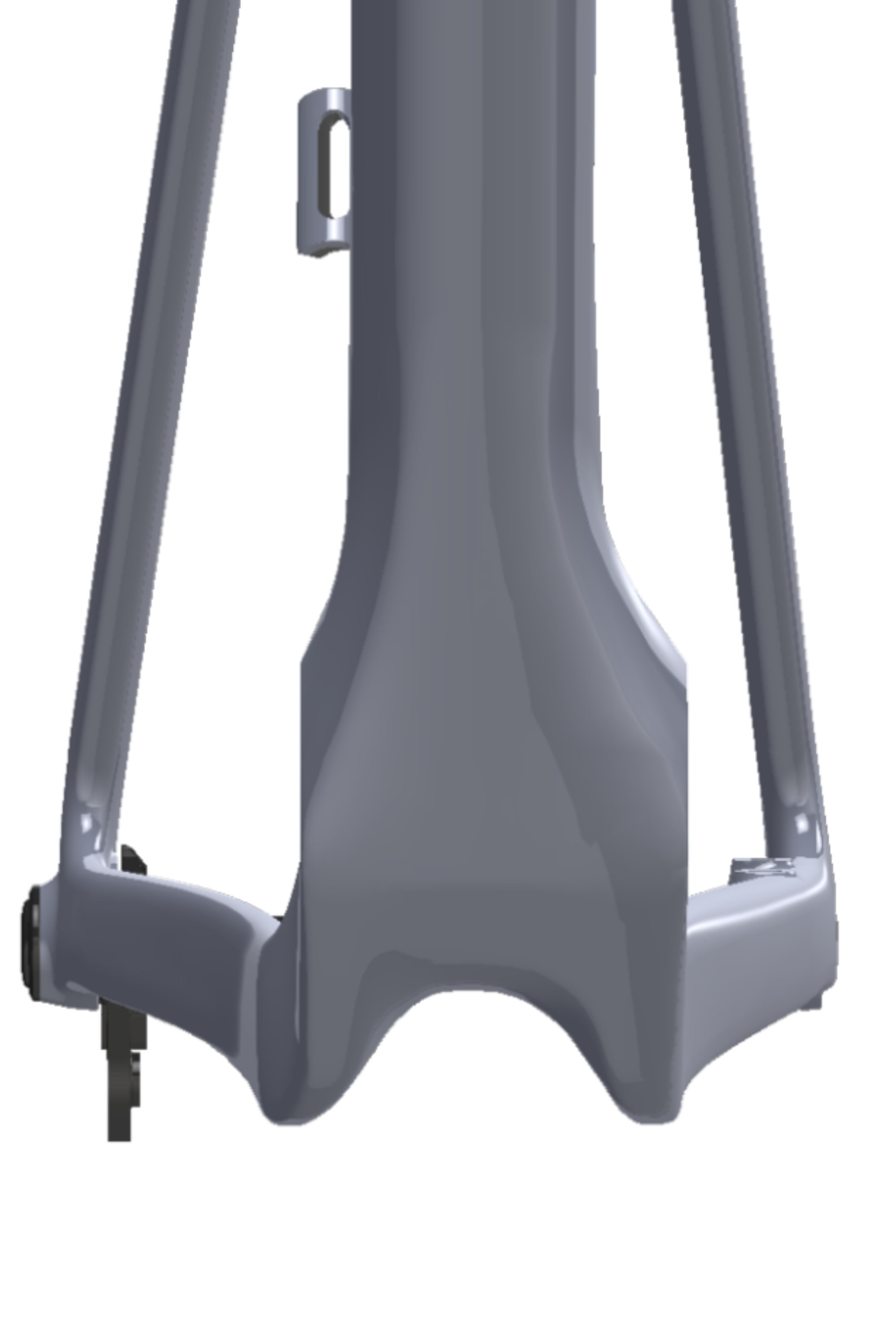
The additional conflict in this area was chainring size, which, as with tyres, is ever growing. In this case, the objective was to accommodate a 52T chainring in a 1x configuration, as well as maintaining the ability to run a 2x setup with a wide chainline, which to date has not been accomplished by any other brand with this tyre size.
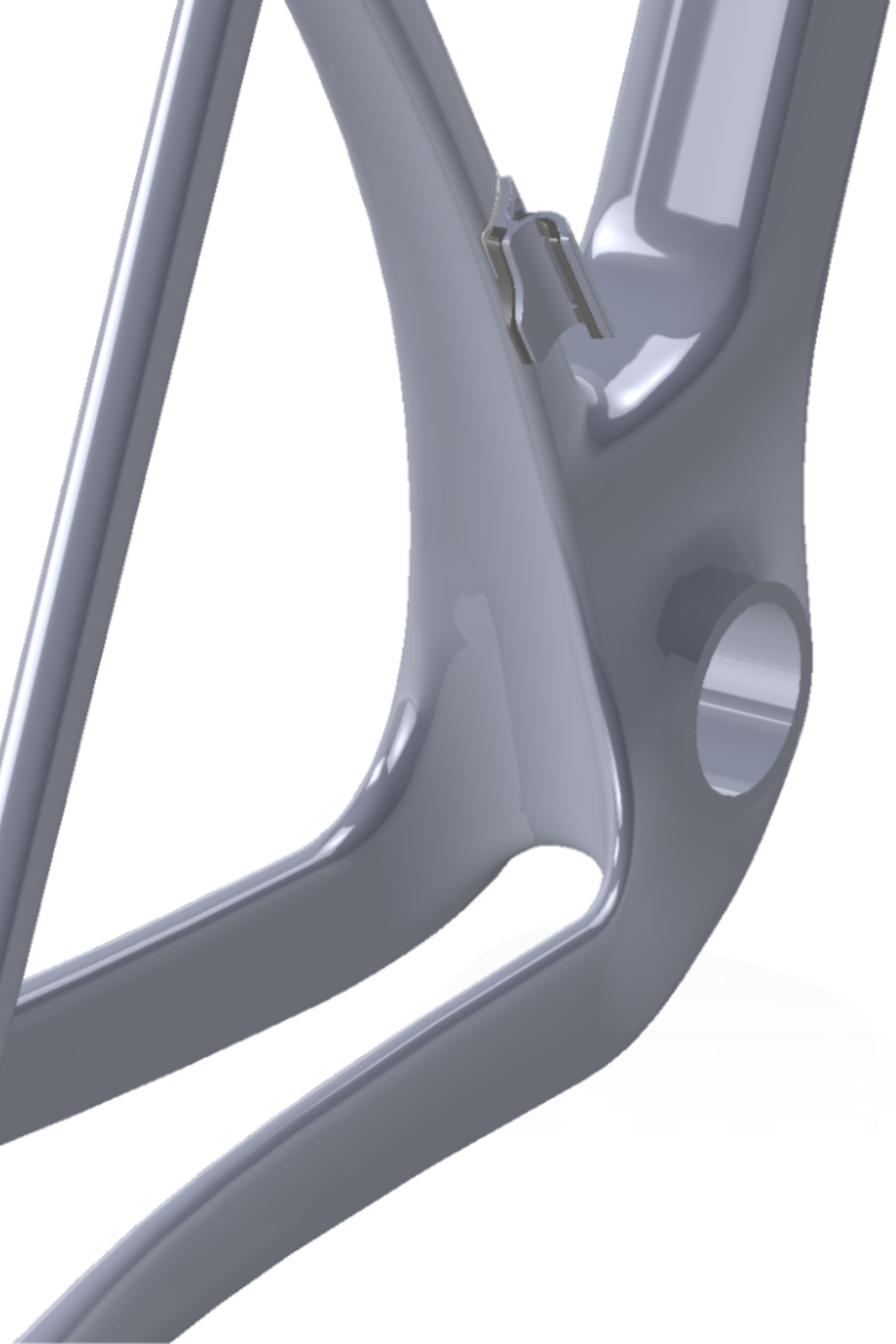
One of the ways we were able to resolve this is by a radical reshaping of the chainstays and seat tube.
A true monocoque
In addition, there was a longstanding manufacturing R&D program that needed to become production-ready prior to enabling the commitment to our required chainstay design.
Typical frame production relies on a separately moulded front triangle, and then the two rear triangles are affixed using bond joints. This method is preferred because it allows the moulding tool to be made thinner, decreasing the tooling costs, easing tool handling, and improving the speed at which the tool heats up. In general, it is preferable in a factory environment to split the layup task among several workers, and later combine those parts downstream.
Over the course of the last several years, we have been experimenting with employing one-piece frame construction, which is more time-consuming and takes quite a bit of new techniques to perfect. However, the result is that you get a frame with better alignment, less machining required, and potentially lighter weight.
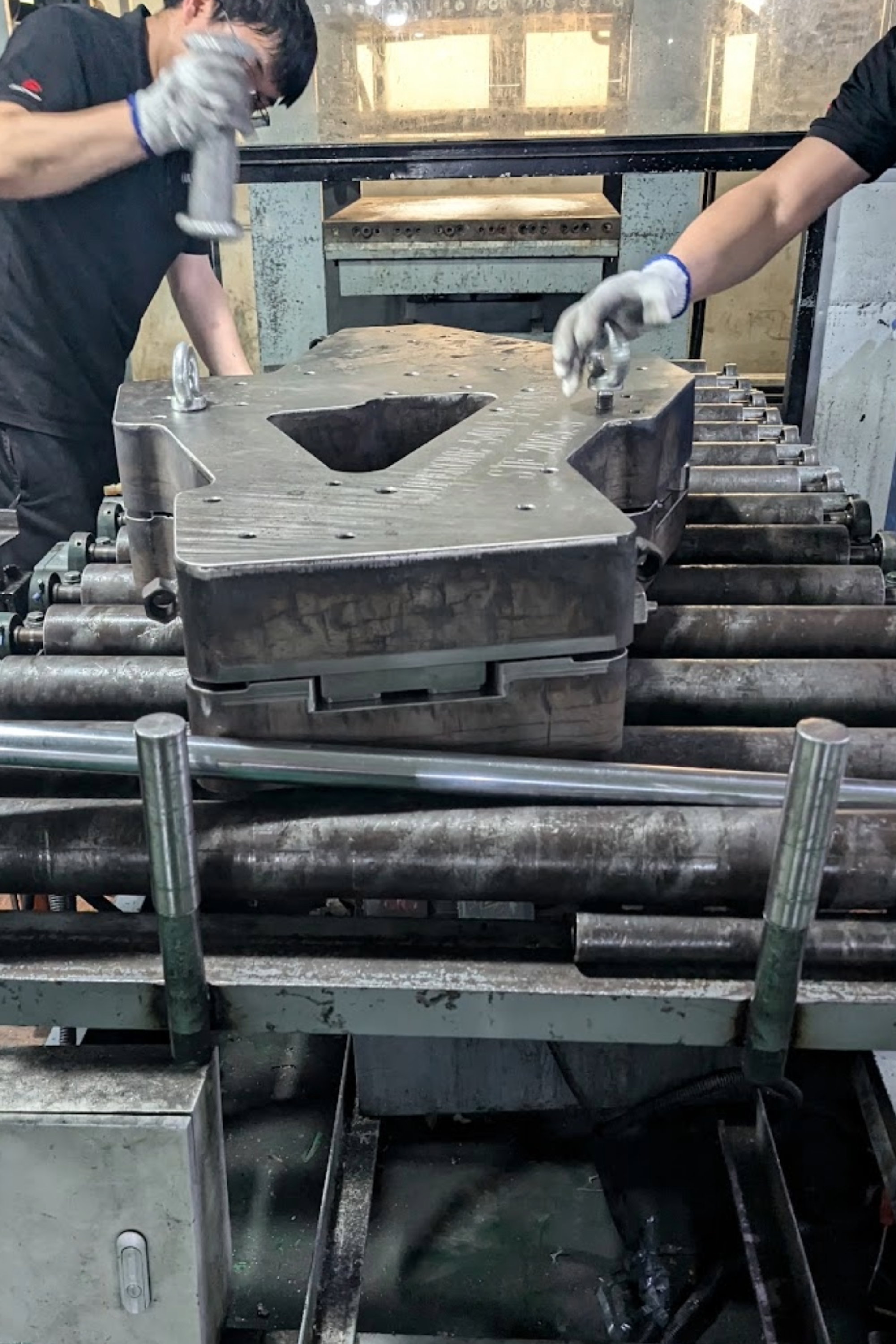
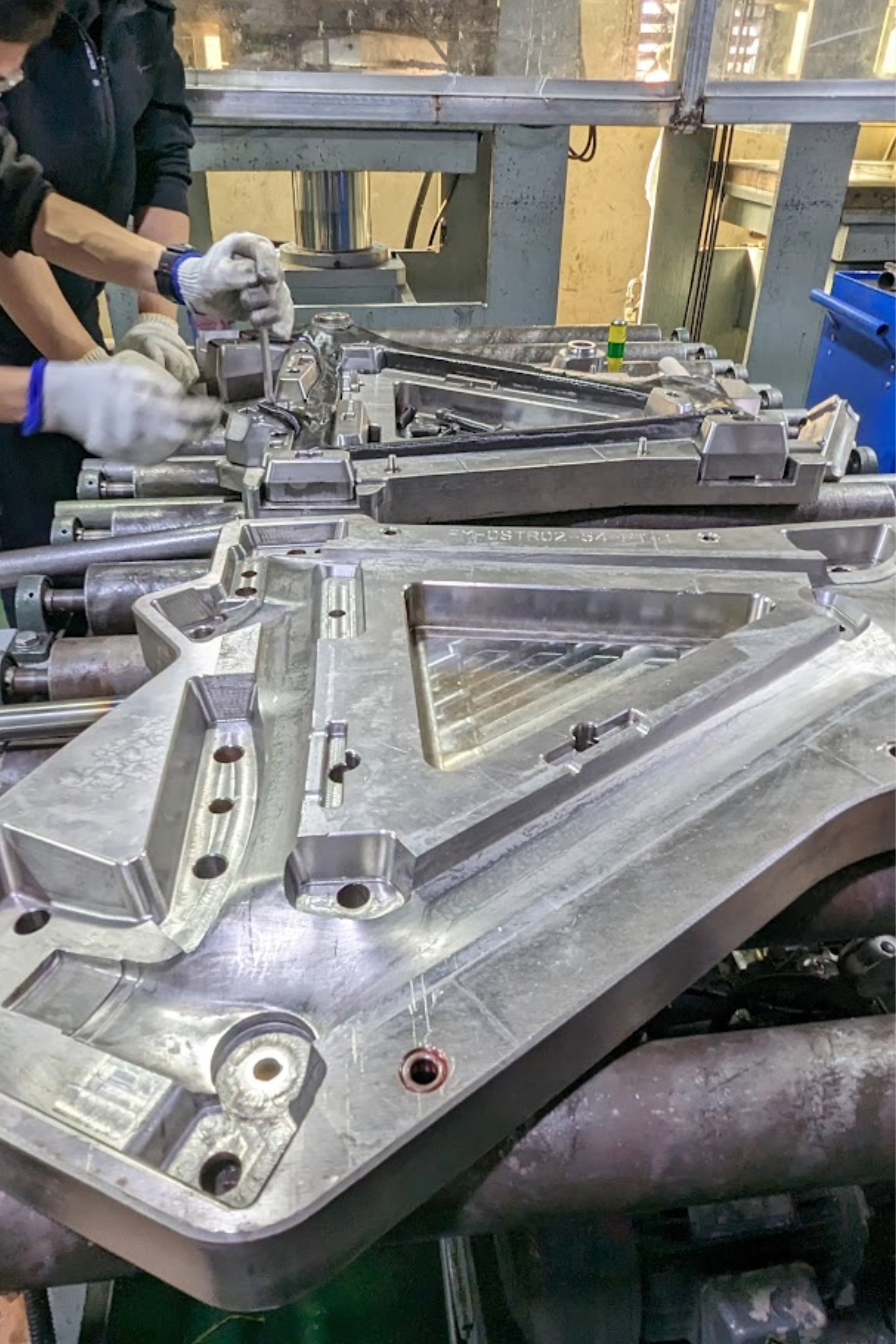
The big advantage of moving to one-piece construction is that there is no longer a need to overlap material at a bond joint, which typically constrains us to a minimum internal dimension of 8-10 mm, plus an additional 2 mm of wall thickness on all sides, yielding a practical minimum chainstay thickness of 14 mm when a bond joint is being used. Add a bit of paint thickness and anything less than 16 mm wall thickness is impossible.
In the case of the ELARA, we needed to have a much thinner wall thickness for the drivetrain-side chainstay in particular. When faced with this issue, many brands have resorted to moulding the chainstay out of solid carbon, which in the past caused quite a few issues with Di2 or shifting cable routing. At this point, most people are using largely wireless rear shifting. However, that does not mean that this approach is without its own issues.
Specifically, when laying up the carbon, in order to get optimum compaction on the fibres themselves, a bladder is the best possible method. However, approaches where either a silicone pressure intensifier (the silicone expands under heat and adds some degree of compaction pressure) or just straight compaction moulding, where the parts are squished between the tool, leave much to be desired. Most importantly, you cannot vary the pressure with time and temperature, which is a hallmark of a high-quality moulding process.
For the ELARA, only by solving this manufacturing challenge were we able to construct a frame that has chainstays thin enough to be cleared by a 57 mm tyre carcass, a 52T 1x chainring as well 2x setups with front derailleurs.
Storage Door in the Downtube:
We made the decision to put a storage door in the downtube, which can cause some extra challenges with getting a frame that is stiff and strong enough for racing use. The industry standard practice is to add quite a bit of woven fibres, typically standard 3K woven, low modulus tough fibres. This approach is what bike industry engineers jokingly call “black aluminium” because the woven fibre processes isotropic strength properties, which is to say the same in all directions, whereas unidirectional fibre is anisotropic (meaning it has different physical properties depending on its directional orientation).
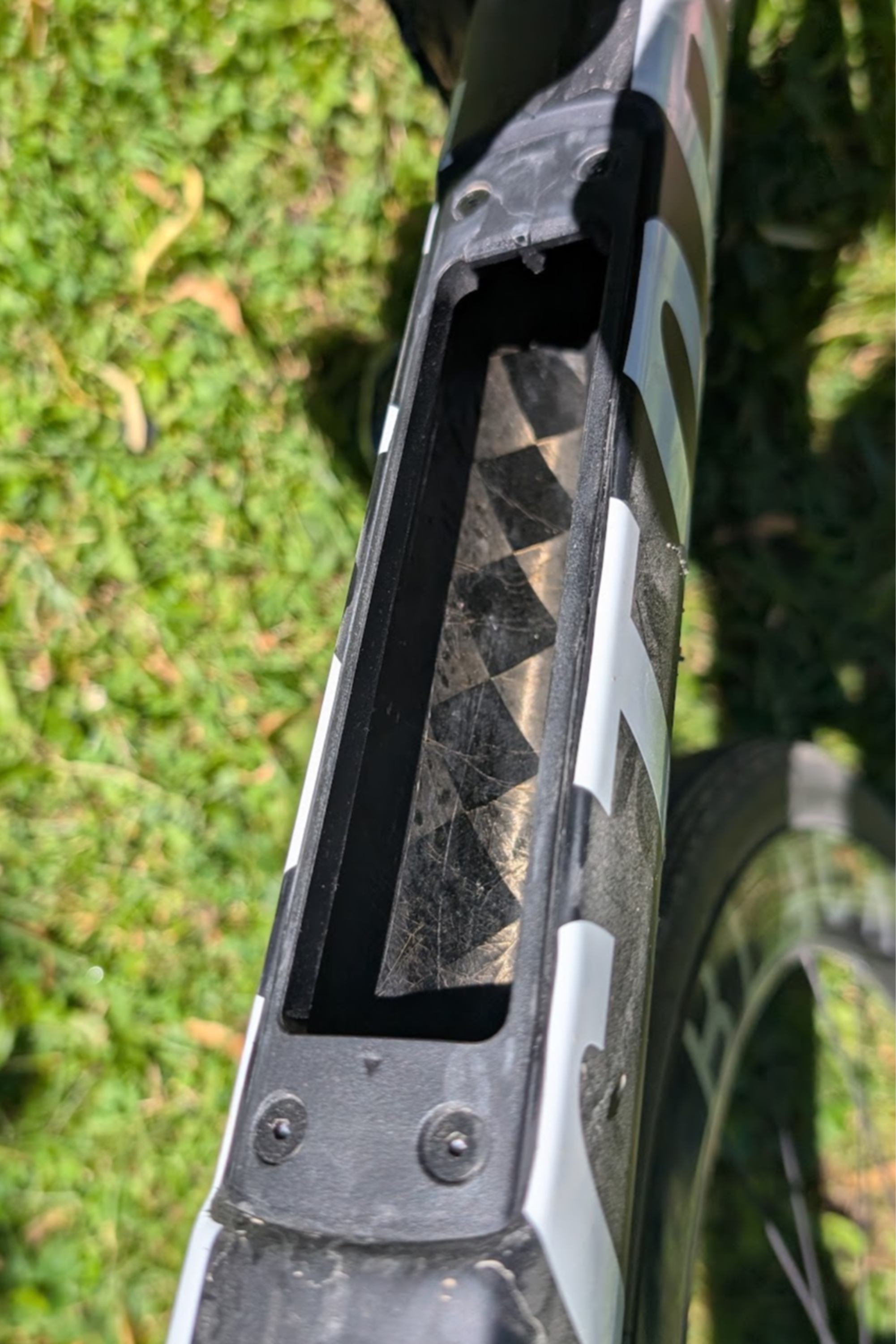
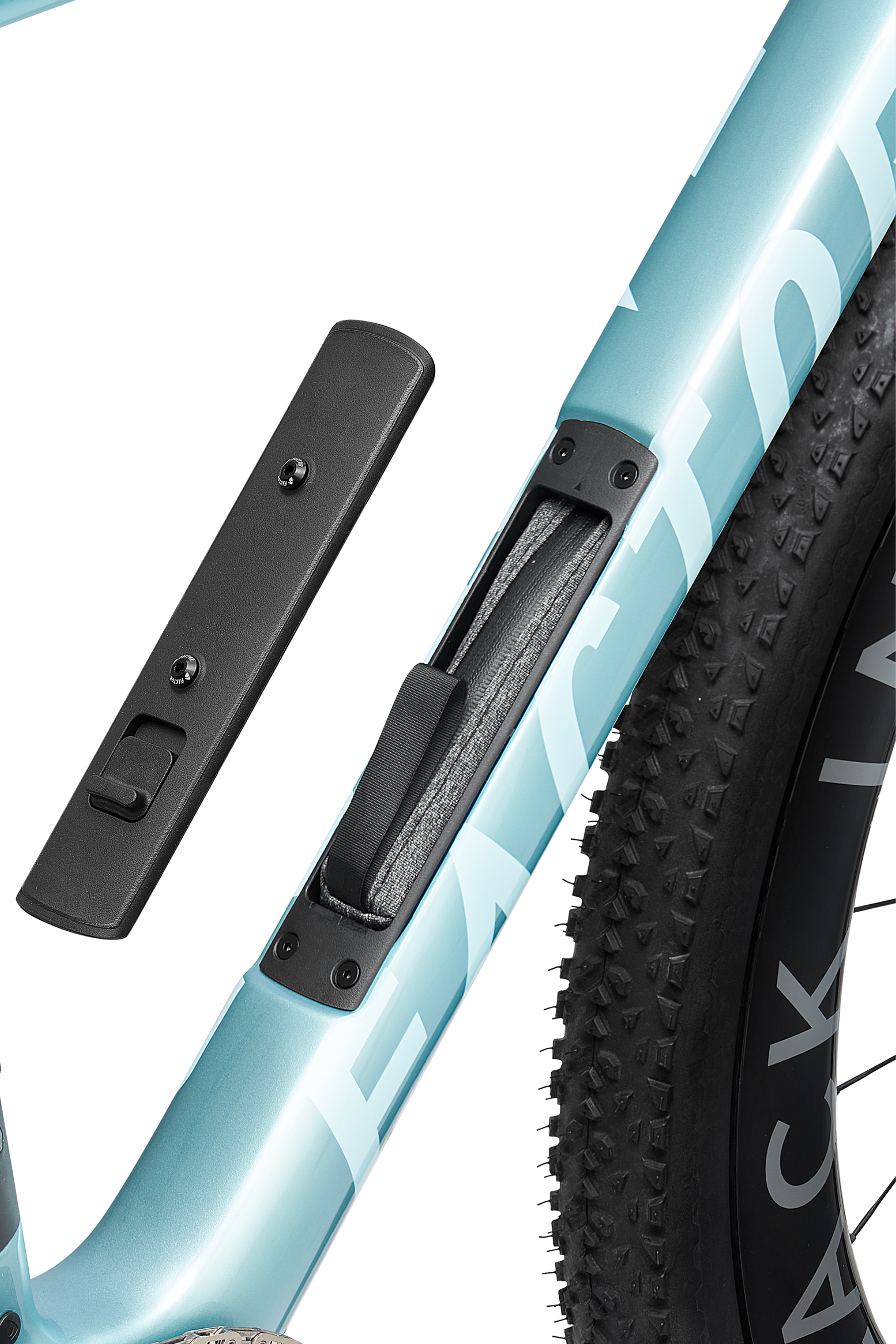
The issue here is that 3K woven fibre, while strong, is not very stiff. It is quite heavy, typically as much as 325g/m^2, referred to as the Fiber Areal Weight. Continuing with our no compromise approach to carbon fibre layup, we instead use a very exotic fibre called TexTreme, which is referred to as a spread tow fibre, where instead of having the bundles of fibres be one or two mm wide, the fibres (tow’s) have been spread out to be 20 mm wide, reducing the FAW as low as 50g/m^2.
Aerodynamic Development
Although the current OSTRO Gravel is a very aerodynamic bicycle, one of the most aero on the market, having matched the last generation of OSTRO VAM very closely, we knew that further gains were possible. By applying the same unconventional thinking to our aero tool kit has recently shown great success for us with bikes such as the gold medal-winning Team Pursuit HANZŌ Track, the now infamously popular ONE project, and the OSTRO VAM, the 2026 Road Bike of the Year.
The root of this toolkit is the ever-evolving software referred to as CFD, or computational fluid dynamics. Though CFD was previously the domain of Universities, governments, and mega corporations, and gatekept by tremendously complex interfaces and post-processing requirements, it’s now that the technological tsunami of AI and computational power has brought the CFD to the level of practical engineers with their hands on the tools, and out of the Comp Sci lab.
New tools needed to be developed to deal with a textured tyre, which is typically omitted or trivialised in road and track development because the tyres are quite smooth, and most of the performance comes from managing the separation point at the tyre/rim interface. Fortunately, the technology to simulate textured tyres exists, and was developed by the automotive industry. You can see below that significant work was done on this by Audi, using OpenFoam, the open source toolbox that powers much of the world's CFD programming, our own included.

Recently, a great many companies have sprung up to “package” OpenFoam in a way that makes it user-friendly. AI is, of course, affecting this area as all other areas of software development, so we expect this trend towards simplification and accessibility to computational resources to continue.
In our case, the first challenge was to model the tyre, and manage the amount of computational costs that would incur. When software “meshes” the shape you are evaluating, the more complicated shape naturally requires more computational resources, and subsequently costs. We created a virtual tyre that roughly reflects the very popular GravelKing tyre in a 50 mm width, which was 3D scanned to validate the shape, inflated on a rim, and then simplified to reduce computational load.

With these tools in place, we began our process of development in CFD, modifying shapes, tube depths, widths, and profiles to minimise drag. Both the form drag of the object as well as the parasitic drag due to interference were studied extensively. Once we understand what is happening with the flow, we can apply our expertise to conceive of configurations that will affect these drag-inducing features and solve for minimisation of system drag.
Black Inc complementary components
One of our unique and especially impactful differences to most of the market is that in most cases, we develop a specific wheel for most new models. For example, the new Black Inc SIXTY FOUR Gravel Wheels with ultra-wide rims were developed specifically for the ELARA. During development of the wheels, we continually compared their performance vis-à-vis our own existing wheels such as the THIRTY FIVE and FORTY SIX, as well as against multiple iterations of SIXTY FOUR Gravel.
Following the computational analysis, we made frequent use of the wind tunnel to validate and test prototypes quickly and easily. Often these exercises are highly oblique, and use various techniques such as a “mule” frame for testing profile sections, or using visualisation techniques to understand what was happening with the airflow. These are not trivial or isolated tests, but rather part of the accumulated knowledge required to get the most out of a frame in a real-world environment.
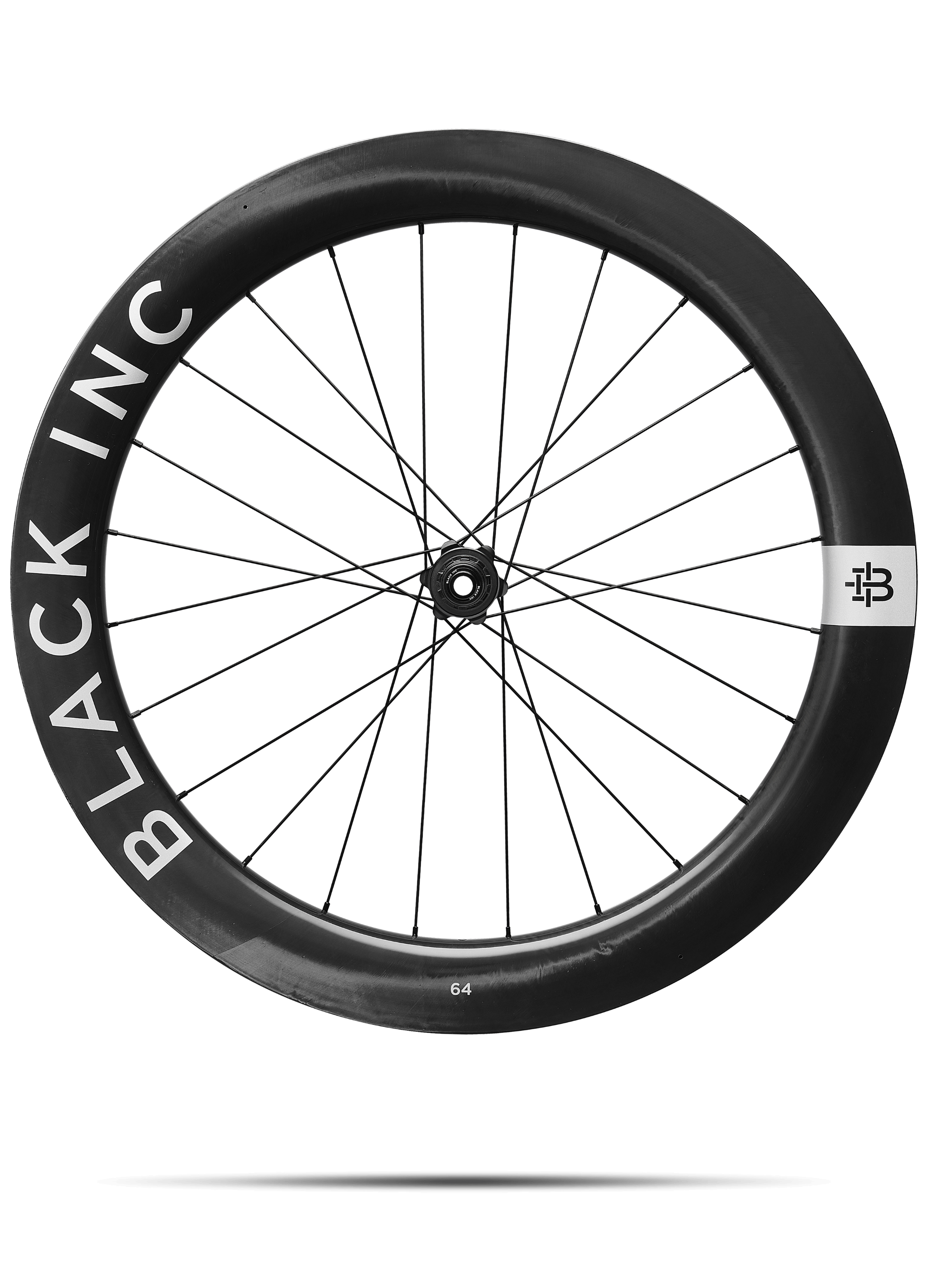
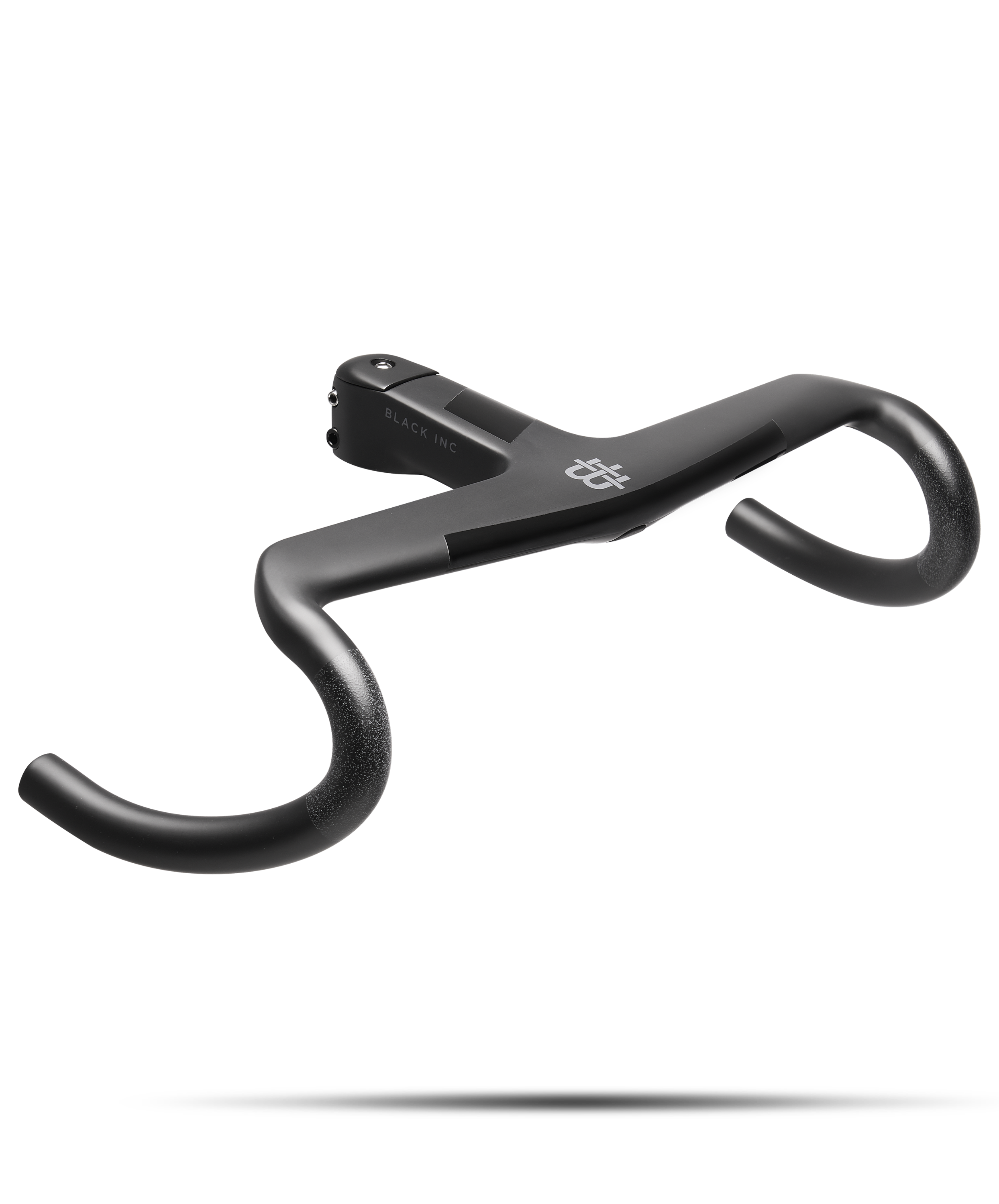
In addition to developing a wheelset that could enhance the performance level of the ELARA, our Black Inc sister brand also offers an advanced barstem for the ELARA, the Aero Gravel Barstem AB07. Developed as part of a complete gravel racing system, AB07 preserves the clean integration, aero shaping, internal hose routing, and refined hand positions of Black Inc’s road cockpit, then modifies the drop geometry for higher-speed off-road use. The cockpit lets the rider stay low and efficient on fast sections, then move into a more secure drop position when grip, braking control, and confidence matter most.
Perfecting the perfect
So, to go back to the very first question we’ve tried to answer, finding ways to improve on what already seems perfect rests almost entirely in understanding that something can always be improved. It just takes external knowledge input, practical experience, willingness to take risks, and creative investment in the future to make sure we are always staying well ahead of the curve.

Follow us for the latest updates from all our athletes.
Factor Instagram / Facebook / YouTube / Factor Racing Instagram


© 2026 Factor Bikes. All rights reserved / Privacy Policy |Terms